2025-2-9
The Role of Exosomes in Treating Hair Loss: A Dermatologist's Guide
Educate on how exosomes help with hair loss and regrowth
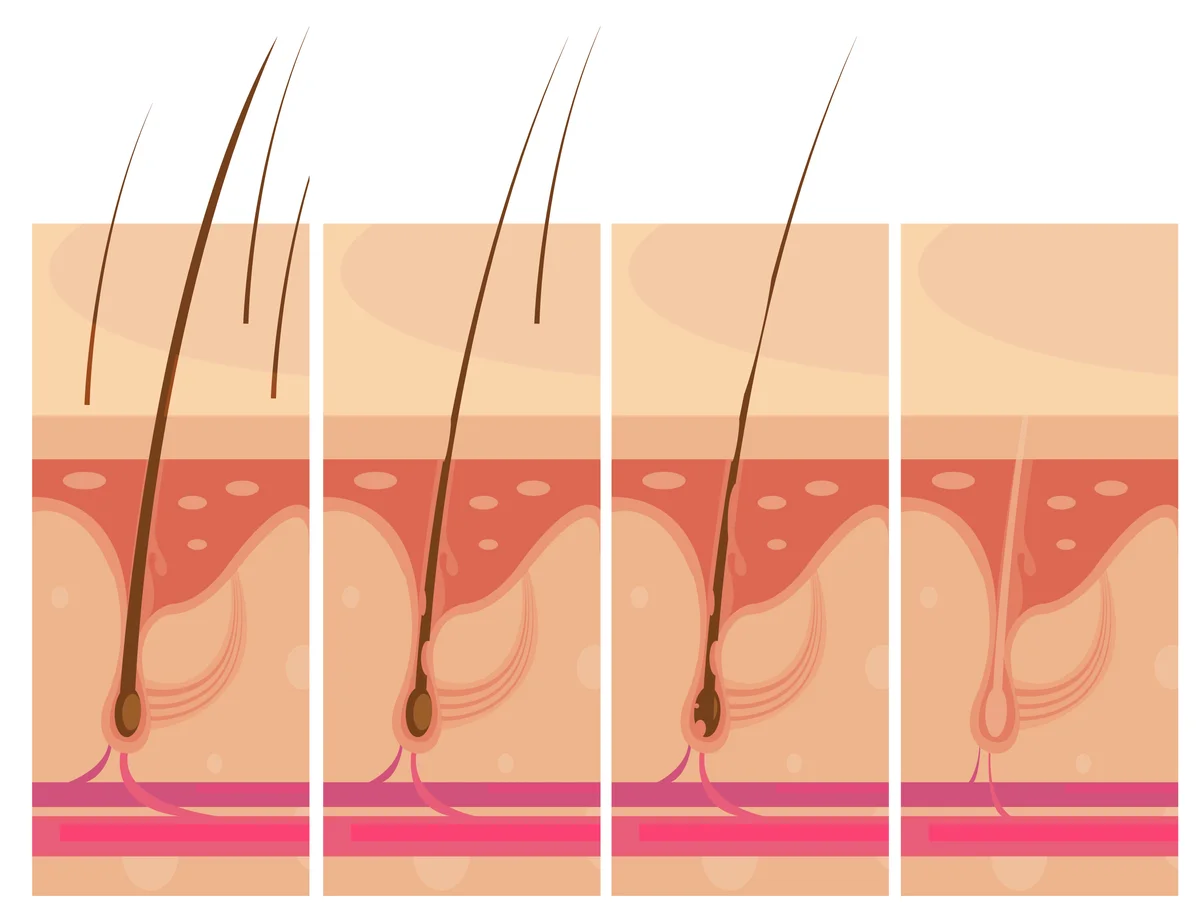
Hair loss is a common concern that affects millions of people worldwide, impacting self-esteem and confidence. While there are many treatments available, exosomes are emerging as a groundbreaking solution for hair regrowth and scalp health. In this article, we'll explore how exosomes work to combat hair loss, their benefits, and why they are becoming a preferred choice for dermatologists and patients alike. Understanding Hair Loss: Causes and Challenges Hair loss can result from a variety of factors, including genetics, hormonal changes, stress, and environmental factors. Traditional treatments like topical solutions, oral medications, and hair transplants often come with limitations, such as side effects, high costs, or inconsistent results. This has led to a growing interest in innovative, science-backed solutions like exosomes. How Do Exosomes Help with Hair Loss? Exosomes are tiny vesicles that play a key role in cellular communication. When applied to the scalp, they deliver growth factors, proteins, and genetic material that stimulate hair follicles and promote regrowth. Here's how they work: Activate dormant hair follicles: Exosomes awaken inactive follicles, encouraging them to enter the growth phase (anagen) of the hair cycle. Strengthen existing hair: By improving scalp health and reducing inflammation, exosomes help prevent further hair thinning and breakage. Enhance hair thickness: Exosomes support the production of keratin and other proteins essential for strong, healthy hair strands. The Science Behind Exosomes and Hair Regrowth Exosomes are packed with bioactive molecules that target the root causes of hair loss. Key components include: Growth factors: Such as VEGF (Vascular Endothelial Growth Factor), which promotes blood flow to the scalp, nourishing hair follicles. Amino acids and peptides: Essential building blocks for hair protein synthesis. Anti-inflammatory agents: Reduce scalp inflammation, a common contributor to hair loss. Benefits of Exosome Therapy for Hair Loss Exosome therapy offers several advantages over traditional hair loss treatments: Non-invasive: No surgery or needles are required, making it a comfortable option for patients. Natural: Exosomes are derived from your body's own cells, minimizing the risk of adverse reactions. Effective: Clinical studies have shown that exosomes can significantly improve hair density and thickness. Long-lasting: By addressing the root cause of hair loss, exosomes provide sustainable results. Why Dermatologists Recommend Exosomes Dermatologists are increasingly turning to exosomes as a safe, effective, and science-backed solution for hair loss. Unlike other treatments that only address symptoms, exosomes work at the cellular level to promote hair regrowth and improve scalp health. Whether you're dealing with genetic hair loss, stress-related thinning, or post-treatment recovery, exosomes offer a promising path to healthier, fuller hair. The Future of Hair Loss Treatment: Exosomes As research continues to uncover the potential of exosomes, they are poised to become a cornerstone of modern hair loss treatment. By harnessing the power of cellular communication, exosomes provide a revolutionary way to restore hair and boost confidence.